Italy has been one of the world’s most popular travel destinations for decades. Whether it’s historic cities like Rome and Florence, the stunning beaches of Sardinia, or the magical atmosphere of the Amalfi Coast – a vacation in Italy promises unforgettable experiences. Here’s your essential guide with tips, dos & don’ts, and everything you need to know before you go.
Affiliate Disclosure
Before You Go
Planning your Italy vacation depends on where you are going and when.
- Spring (April–May) and autumn (September–October): Peak season in cities like Rome, Florence, and Venice – expect more visitors and higher hotel prices. Off-season on the coast and in rural areas – fewer crowds and significantly cheaper accommodation.
- Summer (June–August): Quieter in the cities (though very hot), but high season at the coast, on the islands, and in the mountains – beaches and seaside resorts are at their busiest and most expensive.
- Winter (December–February): Ideal for city breaks. Rome, Florence, and Milan are quieter and more affordable. Some coastal areas operate on reduced schedules.
- Entry requirements: EU and Schengen citizens need only a valid ID card or passport. Citizens of the US, Canada, the UK, and Australia do not need a visa for stays of up to 90 days. Always check the current requirements on the official Italian government website before travelling.
- What to pack: Comfortable walking shoes are essential – Italian cities are best explored on foot, and cobblestones are everywhere. Pack at least one outfit that covers shoulders and knees for visits to churches. A light scarf works well as a versatile cover-up.
Getting There
- By plane: Italy has more than 40 commercial airports. The main international hubs are Rome Fiumicino (the largest and most modern, rated Best Airport in Europe for hubs over 40 million passengers), Milan Malpensa, Venice Marco Polo, Naples Capodichino, and Bergamo Orio al Serio (a major low-cost hub). → All airports in Italy
- By train: Italy’s high-speed rail network (Frecciarossa, Italo) connects the main cities quickly and comfortably. Rome – Florence takes around 1h 30min, Rome – Milan around 3 hours, Milan – Venice around 2h 30min. Tickets are significantly cheaper when booked in advance.
- By car: Driving works well for rural areas, the Dolomites, or the south. For city stays, a car is more of a burden than a help. → Driving in Italy
Getting Around
- In cities: Metro, bus, and tram cover most of what tourists need in Rome, Milan, and Naples. Venice is navigated on foot and by vaporetto. Florence’s historic centre is compact enough to walk almost everywhere. Always validate your ticket before boarding – inspections are frequent and fines are immediate. In Rome, contactless credit card payment is now available directly on metro gates and buses.
- Between cities: The high-speed train is the most comfortable option for the main routes. Regional trains are slower but often scenic.
- In the countryside: A rental car gives you the most flexibility for Tuscany, Umbria, Sicily, or the Dolomites. → Car rental in Italy
- ZTL zones: Most Italian city centres have restricted traffic zones (ZTL – Zona a Traffico Limitato). Entering without a permit results in fines of €80–500, often sent weeks later to your rental car company and passed on to you with an additional fee. → ZTL zones in Italy
Dos & Don’ts
Do
- Dress appropriately for churches: Shoulders and knees must be covered to enter churches and religious sites – this applies across all of Italy. A light scarf or shawl in your bag solves the problem instantly. Many churches turn away visitors who are not dressed appropriately, with no exceptions.
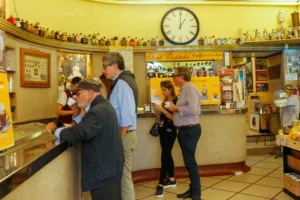
- Drink your espresso at the bar: Standing at the bar to drink your coffee is faster, cheaper, and entirely normal – it is how Italians do it. Sitting down at a table typically doubles or triples the price. At tourist hotspots, a table coffee can cost €5–10. A coffee at the bar rarely costs more than €1.50.
- Understand the coperto: The coperto is a small per-person cover charge (typically €1–3) added to restaurant bills. It covers bread and the use of the table and is charged once per person, not per dish. In Italy, a meal traditionally consists of several small courses. If you eat the Italian way – a starter, a pasta, a main – you actually come out ahead compared to ordering a single dish somewhere that charges per course. Do not try to refuse or dispute the coperto; it is entirely standard and legal.
- Tip the Italian way: Tipping is not expected in Italy the way it is in the US or UK. There are no percentage rules. A common approach is €1–2 per person at the end of a meal, depending on satisfaction – a little more in upscale restaurants. Rounding up the bill is also perfectly acceptable.
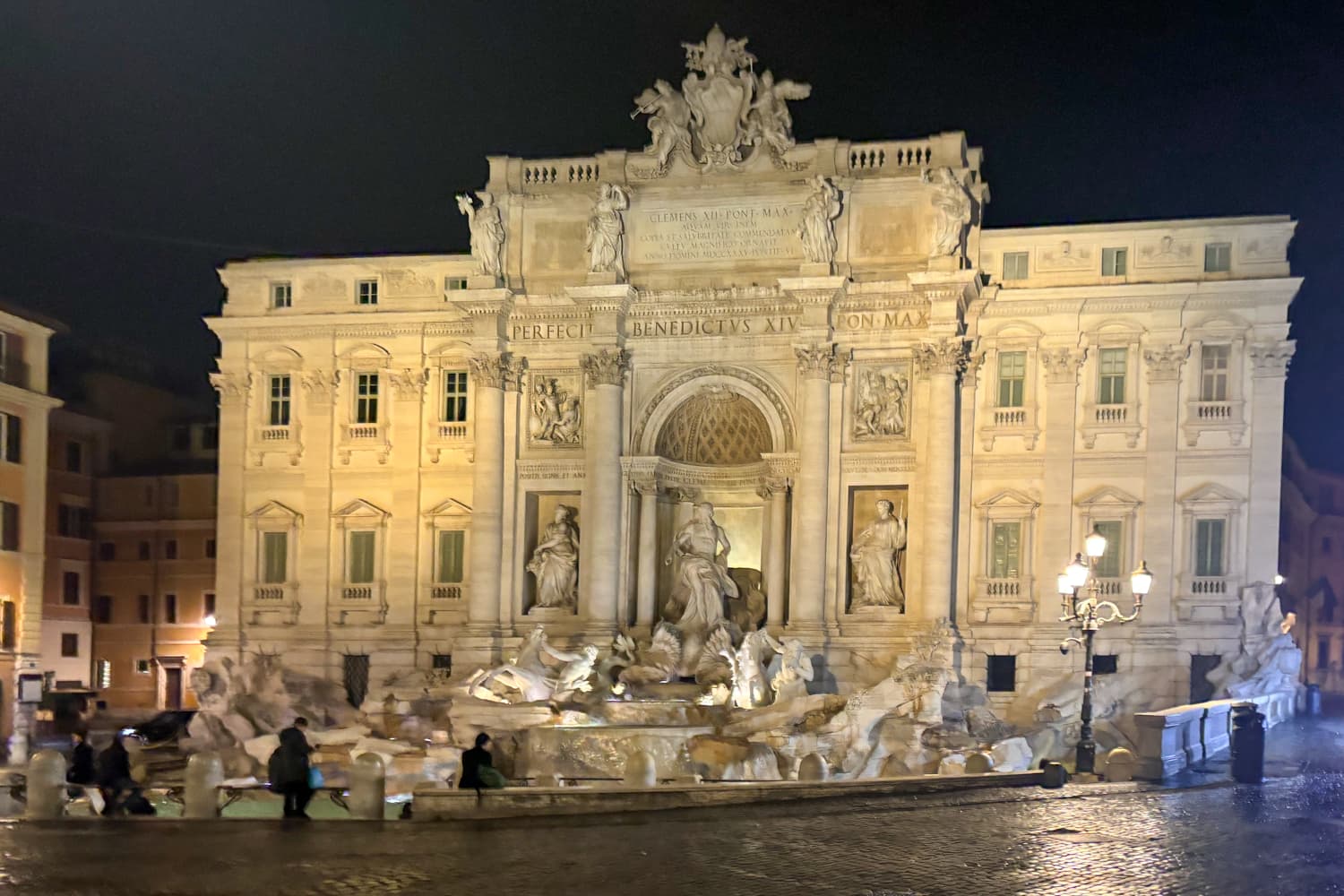
- Book attractions in advance: For major sights – the Colosseum, Vatican Museums, Uffizi Gallery, Borghese Gallery – advance booking is mandatory or strongly recommended, especially from April to October. Walk-up tickets are often unavailable. City passes can simplify the process by combining multiple bookings in one. → Rome · Florence · Venice · Milan · Naples
- Check access restrictions before you go: Many popular destinations now have entry limits, ticketing systems, or timed access windows. Always verify current rules for the specific place you plan to visit.
Don’t
- Don’t walk around cities in beach clothing: Bare chests, bikini tops, and swimwear are not acceptable in Italian town and city centres – even near the coast. Many municipalities have introduced fines for this. A light shirt or dress takes up almost no space in a bag.
- Don’t order a cappuccino after lunch or dinner: Milky coffee drinks – cappuccino, latte, macchiato – are morning drinks in Italy. Ordering one after a meal is a classic tourist tell. After eating, Italians drink espresso, sometimes with a digestif.
- Don’t visit popular spots without checking first: Italy’s most photographed locations have become extremely crowded in peak season. The Dolomites’ iconic peaks, the Cinque Terre trails, the Scala dei Turchi in Sicily – many now require entry tickets, have introduced one-way trail systems, or limit daily visitor numbers. Arriving early in the morning makes a significant difference.
- Don’t smoke where it is not permitted – and never drop a cigarette butt: Smoking restrictions in Italy have been tightening. Dropping a cigarette butt on the street is explicitly prohibited and subject to fines. In many cities, smoking is now banned on public transport platforms, in parks, and near beaches.
- Don’t enter ZTL zones with a rental car: The cameras are always on, the fines are real, and rental companies add administrative fees on top. When in doubt, park outside the city centre and use public transport. → ZTL zones explained
Booking Attractions & City Passes
Italy’s top attractions require reservations – and managing them independently means juggling multiple websites, different booking systems, and separate accounts for each museum or site. City passes bundle this into a single booking process and show available time slots across attractions at a glance. They are not always cheaper than buying tickets individually, but they save considerable time and complexity – especially on short trips or when visiting several cities.



Money & Costs in Italy
- Currency: Italy uses the Euro (€). Cards are widely accepted in cities and tourist areas, but smaller towns, markets, and family-run trattorias often prefer cash. Having €50–100 in cash available is a sensible habit.
- What things cost: Espresso at the bar: €1–1.50. Coffee at a table in tourist areas: €3–10. Lunch at a local trattoria: €12–20 per person. Dinner at a mid-range restaurant: €25–40 per person. Museum entry (major sites): €18–25. City bus ticket: €1.50–2.
- Daily budget: Budget travellers (hostel, self-catering, free sights): €60–80/day. Mid-range (hotel, two restaurant meals, one attraction): €130–180/day. Comfortable (good hotel, full restaurant days, city pass): €220+/day. Prices are highest in Venice and the Amalfi Coast; Naples and Sicily offer considerably better value.
Food & Drinks in Italy
Italy’s regional cuisine is one of the country’s greatest attractions. What you eat in Bologna has little to do with what you find in Palermo – each region has its own specialities, ingredients, and traditions.
- Rome: Pasta carbonara, cacio e pepe, supplì (fried risotto balls) – read more about Roman cuisine
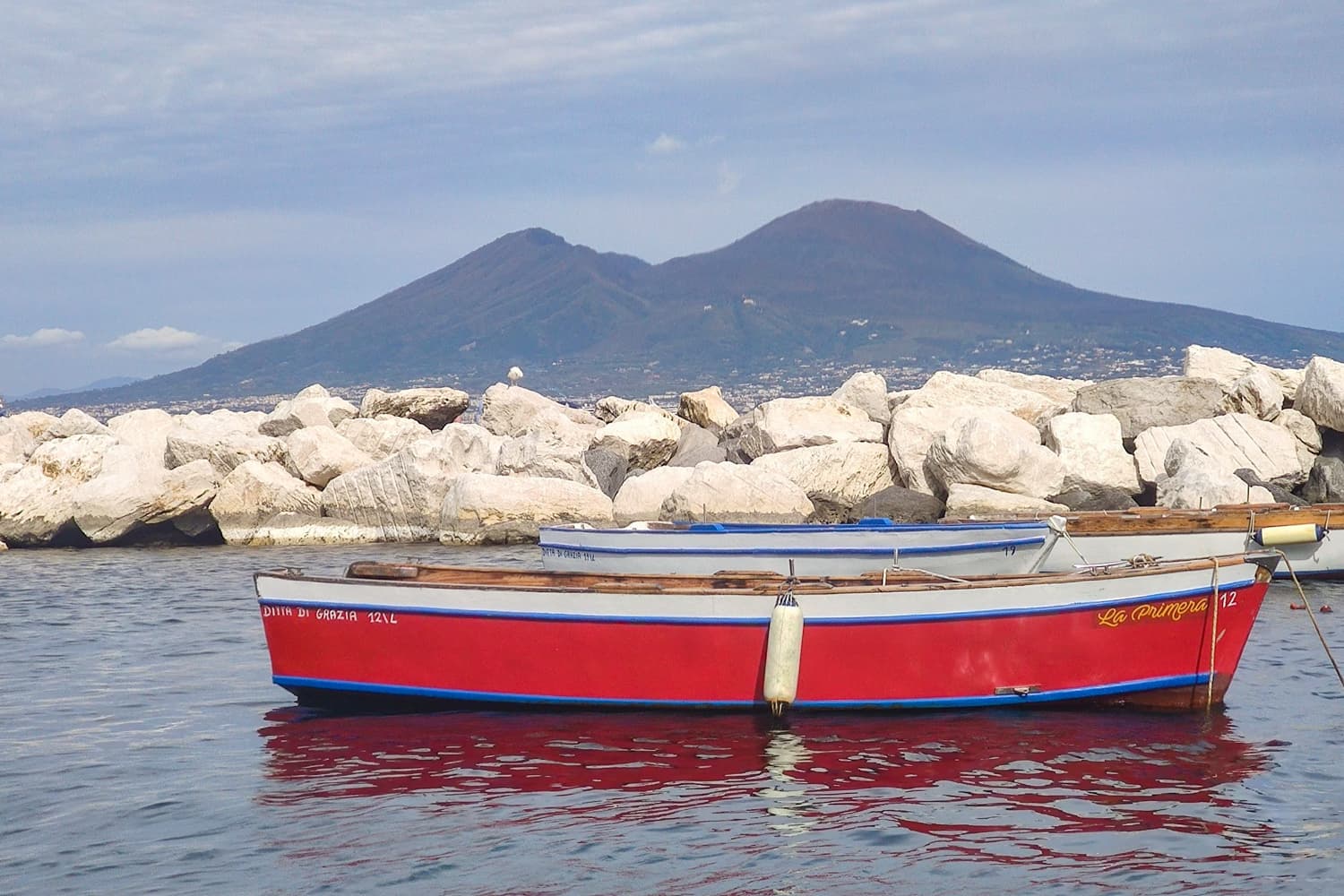
- Naples: Pizza Margherita (the original), ragù napoletano
- Bologna: Tortellini in brodo, ragù bolognese (served locally with tagliatelle, not spaghetti)
- Genoa: Pesto genovese, focaccia, walnut cream sauce
- Milan: Risotto alla milanese, ossobuco, cotoletta alla milanese – a breaded veal cutlet that is essentially the Italian original of the Wiener Schnitzel
- Bari: Orecchiette (often served with turnip tops), fresh fish, focaccia barese
- Sicily: Arancini, cannoli, fresh fish and seafood
- Sardinia: Fregola (a toasted pasta), maialino (spit-roasted suckling pig), grilled meats, and fresh fish along the coast
- Coffee culture: Espresso is the default – enjoyed standing at the bar, rarely more than €1.50. Cappuccino and other milk coffees are morning drinks only.
- Wine & aperitivo: Italy is one of the world’s largest wine producers. Chianti, Barolo, Brunello, Prosecco, and Primitivo are among the most well-known. Before dinner, the aperitivo hour (typically 6–8pm) is a local institution – a drink with small snacks, often included in the price.
- Water: Tap water in Italy is safe to drink almost everywhere, including at public drinking fountains. Only avoid water explicitly marked acqua non potabile.
Practical Travel Tips for Italy
- Language: English is spoken in major tourist areas and hotels. In South Tyrol, German is widely spoken alongside Italian. In the Aosta Valley, French is also common. A few words of Italian go a long way with locals, especially outside the main tourist centres.
- Safety: Italy is generally safe. The main risk for tourists is pickpocketing in crowded areas – busy public transport, markets, and popular squares. Keep bags in front of you and stay aware in tight crowds.
- Internet & roaming: EU citizens pay no extra roaming charges within Italy. Most hotels and many cafés offer free Wi-Fi. A local SIM card is inexpensive if you need reliable mobile data throughout your trip.
- Driving & traffic: Many city centres have restricted traffic zones (ZTL). Entering without permission can lead to heavy fines. For longer distances between cities, trains are often the better and more comfortable choice. → Driving in Italy
Activities in Italy
See all
Colosseum
Visit Rome’s impressive Colosseum, once home to gladiators and chariots; book admission online early due to high demand
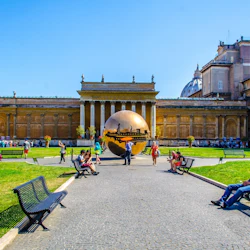
Vatican Museums
Catch a glimpse of one of the greatest art collections in the world, including Michelangelo’s famed Sistine Chapel

Duomo di Milano
Visit Italy’s largest church with instant digital tickets to skip the line and access Milan Duomo’s famous rooftops
FAQ – Vacation in Italy
Do I need to book attractions in advance in Italy?
For the most popular sites – Colosseum, Vatican Museums, Uffizi Gallery, Borghese Gallery – yes, advance booking is essential during the main travel season (April–October). Many sites sell out days or weeks ahead. Walk-up tickets are often simply not available.
Is a City Pass in Italy worth it?
Not necessarily cheaper than booking tickets individually, but often much more convenient. A city pass combines multiple bookings into one process, shows available time slots across attractions at a glance, and eliminates the need to register on several different museum websites. It is particularly useful for short trips, families, and first-time visitors.
What is the best time to visit Italy?
It depends on your destination. Cities are busiest and most expensive in spring and autumn. The coast and countryside are at their peak in summer. Winter is ideal for city trips on a budget, with smaller crowds and lower hotel prices.
Do I need a visa for Italy?
EU and Schengen citizens do not need a visa. Citizens of the US, Canada, UK, and Australia can stay up to 90 days without a visa. Check the official Italian government website (vistoperitalia.esteri.it) for your specific nationality.
Can I drive in Italian city centres?
Most historic city centres are ZTL zones with camera-monitored entry points. Entering without a permit results in automatic fines, which rental companies forward to you with an additional administration fee.
How much should I tip in Italy?
Tipping is not obligatory. A common practice is €1–2 per person at a restaurant, depending on satisfaction – slightly more at upscale places. Rounding up the bill is also fine. No fixed percentage is expected.
Rome City Pass · Florence Pass · Venice Pass · Milan Pass · Naples & Vesuvius · Airports in Italy · Driving in Italy