
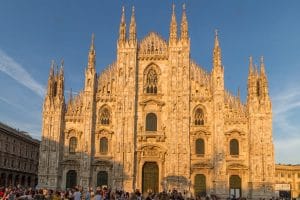
Milan is Italy’s financial capital, its fashion hub, and home to some of the world’s most coveted shopping streets. Whether you’re here for the Duomo, the design museums, a splurge on Via Montenapoleone, or simply to get around the city without hassle, the right pass can make a real difference. This guide covers every pass currently available, what each one actually includes, and which ones are worth skipping.
Affiliate Disclosure

All Milan Pass Options at a Glance
| YesMilano Standard | YesMilano All In | Case Museo | Milan City Card | City Pass Zani | Transport Card | |
|---|---|---|---|---|---|---|
| Validity | 3 days | 3 days | 1 year | flexible | 48h / 72h | 24h / 3 days |
| Public transport | ✓ | ✓ | — | ✓ | ✓ | ✓ |
| Duomo | stairs | lift | — | ✓ | ✓ | — |
| Castello Sforzesco | ✓ | ✓ | — | — | ✓ | — |
| FAI House Museums | + | ✓ | ✓ | — | — | — |
| Hop-on Hop-off | — | — | — | — | ✓ | — |
| Collection required | — | — | — | ✓ | ✓ | ✓ |
| Best for | Most visitors, 3 days | Culture, 3 days | House museums | — | — | — |
✓ included · + optional (1 choice) · — not included
Milan City Passes
See all
Milan
Case Museo Card FAI Fondo Ambiente Italiano: Access to 4 House Museums
Enjoy access to four of Milan's stunning House Museums
 -3%
-3%Milan
Milan City Card: Attractions and Discounts
All of Milan's must-sees in one easy package

Milan
Milan City Pass Zani Viaggi: Admission to 10+ Attractions + Public Transport
See the best of Milan in 48 or 72 hours including La Scala Museum and more
YesMilano Standard Pass
The official city pass of Milan — valid for three consecutive calendar days (until end of service on the third day, not 72 hours from first use). Everything is managed via the YesMilano app; the QR codes work at metro turnstiles and on surface vehicles. Hold the code at least 5 cm from the reader, and try a different gate if the first doesn’t respond.
Included:
- Unlimited public transport for 3 days — metro, tram, bus (zones Mi1–Mi3)
- Duomo cathedral, museum and rooftop terraces (staircase ascent; descent always on foot)
- Castello Sforzesco
- Acquario Civico
- Galleria d’Arte Moderna (GAM)
- Museo Archeologico
- Museo del Novecento
- Museo di Storia Naturale
- 1 Premium museum of your choice from a list of 9 — including Museo Nazionale della Scienza e della Tecnologia Leonardo da Vinci, Museo Teatrale alla Scala, Museo Bagatti Valsecchi, Museo Poldi Pezzoli, Villa Necchi Campiglio, Pinacoteca Ambrosiana and more
Best value for a 3-day visit — transport, Duomo and museums in one pass
Valid until end of service on the third day — not 72 hours from first use
Duomo rooftop by staircase only — descent also always on foot
App QR codes occasionally fail at metro gates — try a different turnstile if needed
YesMilano All-Inclusive Pass
Everything in the Standard pass, plus all nine Premium museums and lift access to the Duomo rooftop. At €90 versus €60, the €30 difference is easy to justify if you plan to visit three or more of the Premium museums — the FAI house museums alone (Bagatti Valsecchi, Poldi Pezzoli, Villa Necchi Campiglio) are worth around €36 at individual entry prices.
Everything from the Standard, plus:
- Duomo rooftop by lift (Ascensore Sud — first terrace level; descent always on foot)
- Museo Nazionale della Scienza e della Tecnologia Leonardo da Vinci
- Museo Teatrale alla Scala
- Museo Bagatti Valsecchi
- Museo Poldi Pezzoli
- Villa Necchi Campiglio
- Pinacoteca Ambrosiana e Cripta di San Sepolcro
- ADI Design Museum
- Galleria Campari
- Museo del Design della Triennale
- Salita alle Merlate Panoramiche
- Museo Diocesano Carlo Maria Martini
- Museum of Senses
Duomo rooftop by lift — no staircase required for ascent
All 9 Premium museums included — FAI house museums, Scala, Pinacoteca Ambrosiana and more
Lift reaches first terrace only — higher levels by staircase only
App QR codes occasionally fail at metro gates — try a different turnstile if needed
Case Museo Card FAI
Four private collections in one pass — Museo Poldi Pezzoli, Museo Bagatti Valsecchi, Villa Necchi Campiglio and Casa Museo Boschi di Stefano — issued by the FAI (Fondo Ambiente Italiano), a non-profit organisation dedicated to the protection and promotion of Italy’s cultural heritage.
The museums share a single theme: the private home as a work of art. Four centuries of Milanese society — from the Renaissance palazzo of the Bagatti Valsecchi brothers to the rationalist Villa Necchi of the 1930s. Ideal for visitors who want to see a different side of Milan beyond the headline attractions.
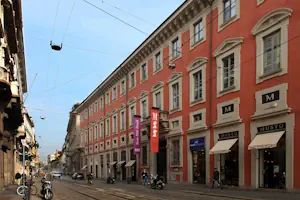
Via Manzoni 12 · near La Scala / Quadrilatero della Moda
Founded in 1881 from the private collection of the nobleman Gian Giacomo Poldi Pezzoli, this is one of Europe’s most significant house museums. Over 5,000 objects — paintings by Botticelli and Piero della Francesca, jewellery, armour, carpets, clocks, and porcelain — displayed in the original reception rooms of a 19th-century Milanese palazzo.
© Paolobon140, CC BY-SA 4.0
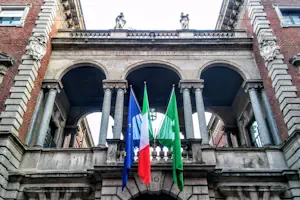
Via Gesù 5 · Quadrilatero d’Oro (fashion district)
A Neo-Renaissance palazzo built in 1883, where brothers Fausto and Giuseppe Bagatti Valsecchi recreated the atmosphere of a Renaissance residence while concealing modern comforts behind period-accurate interiors. Paintings by Giovanni Bellini and other Lombard masters, period furniture, ceramics, and historical costumes fill rooms that feel genuinely lived-in rather than curated.
© Twice25, CC BY-SA 3.0
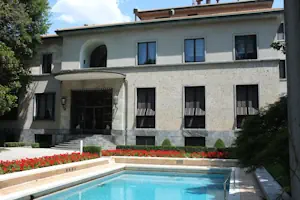
Via Mozart 14 · quiet residential street east of La Scala
A rationalist villa built between 1932 and 1935 by architect Piero Portaluppi, complete with private garden, tennis court, and — at the time of construction — the first private swimming pool in Milan. The interiors preserve the domestic life of the Milanese upper bourgeoisie in the 1930s, with original furniture and a significant art collection. Open Wednesday to Sunday, 10:00–18:00.
© Twice25, CC BY-SA 3.0
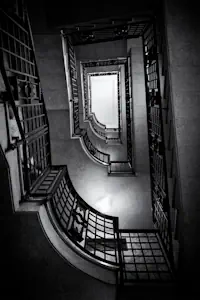
Via Jan 15 · Buenos Aires / Lima district · Metro: Lima (M1)
A second-floor apartment in a building designed by Piero Portaluppi in 1929–30, housing around 300 works from the collection of Antonio Boschi and Marieda di Stefano — one of the most significant private collections of 20th-century Italian art. The museum belongs to the City of Milan and is the only one of the four located outside the immediate historic centre, a short metro ride from the others. Entry is free.
Three of the four museums — Poldi Pezzoli, Bagatti Valsecchi, and Villa Necchi Campiglio — are within easy walking distance of each other in the city centre. Casa Boschi di Stefano is one metro stop away. The card costs €25 (€15 reduced: students under 26, FAI members) and is valid for one year, one visit per museum — one of the few Milan passes that delivers a genuine saving over individual entry prices, which total around €40.
Genuine saving — 4 museums for €25 vs. ~€40 at individual entry prices
Valid for one year — ideal for day visitors or return trips
Three museums within walking distance of each other in the historic centre
Niche product — not suitable as a standalone city pass for first-time visitors
Duomo di Milano — Book in Advance

The Duomo is Milan’s single most visited attraction, and booking in advance is strongly recommended — walk-up queues can be long, especially in high season. The on-site price for the complete ticket (cathedral + museum + terraces) is €26. Three ticket categories are available online:
- Entry Ticket (cathedral interior + Museo del Duomo) — from €11.50
- Rooftop Access (terraces only, staircase or lift) — from €19.00
- Entry + Rooftop (complete, with guide option) — from €26.00
The terraces can be reached by staircase or by lift — the lift option costs more. The descent for all visitors without mobility impairment is always on foot. Visitors with disabilities can use the south lift (cabin 77×106×130 cm) for both ascent and descent, reaching the first terrace level daily 10:00–17:00. Entry is free for visitors with disabilities and one accompanying person.
The Last Supper — Book Well in Advance

Visits to Leonardo da Vinci’s Last Supper (Cenacolo Vinciano) at Santa Maria delle Grazie are limited to groups of 25 people for exactly 15 minutes — a restriction that exists to protect the work from humidity and fluctuating temperatures. Even a small group of 25 exhales enough moisture to measurably affect the microclimate of the refectory; the tight time limit and airlock entrance system keep conditions as stable as possible.
This means that slots sell out weeks or months in advance. Book as early as possible — last-minute availability is rare, and walk-up entry does not exist. If the Last Supper is a priority, book it first before arranging the rest of your trip.
Painted between 1494 and 1498 on commission from Ludovico Sforza for the refectory of Santa Maria delle Grazie, the Last Supper was Leonardo’s experiment with tempera and oil on dry plaster rather than true fresco — giving him the ability to rework and layer the image, but leaving it poorly suited to Milan’s damp climate. The paint began to deteriorate within decades. A restoration completed in 1999 after more than twenty years of work stripped away centuries of overpainting and grime, recovering Leonardo’s original colours, faces, and hand positions. The scene depicted is the moment Christ announces that one of the twelve will betray him — not the betrayal itself, but the instant of shock and denial that follows, each apostle reacting differently while Christ remains the still centre of the composition. It is one of the most studied and imitated images in the history of Western art.
Milan City Card
This pass requires physical collection of the public transport card at a staffed point near the hop-on hop-off bus stop on Piazza Duca d’Aosta in front of Milano Centrale station (Google Maps) — during specific hours only. This adds a mandatory detour to your arrival and makes the pass significantly less convenient than the fully digital YesMilano alternatives.
Reservations at included attractions are pre-arranged — no separate booking required
Flexible validity — no fixed 72-hour countdown from first use
Physical collection of public transport card required near Milano Centrale — specific hours only
Milan City Pass (Zani Viaggi)
Same collection requirement as the Milan City Card — physical pickup at a staffed point near the hop-on hop-off bus stop on Piazza Duca d’Aosta, Milano Centrale (Google Maps), during specific hours only. The pass includes hop-on hop-off bus access on 4 lines and entry to 10+ attractions.
Hop-on hop-off bus included (4 lines)
Physical collection required near Milano Centrale — specific hours only
Milan Public Transport Card
A standalone public transport card — same collection requirement as the other products: physical pickup near the hop-on hop-off bus stop on Piazza Duca d’Aosta, Milano Centrale (Google Maps), during specific hours only. ATM tickets are available at ticket machines in every metro station and at tobacconists and other sales points throughout the city; contactless payment works directly at turnstiles. This product offers no practical advantage over buying directly.
Physical collection required near Milano Centrale — specific hours only
Which Milan Pass Is Best for You?
For most visitors spending two or three days in Milan, the YesMilano Standard Pass at €60 is the right choice: it covers public transport, the Duomo, and a solid selection of museums without requiring any upfront decisions beyond the pass itself.
If you’re a culture-focused traveller who wants to go deeper — the FAI house museums, the Scala museum, the science and technology museum — the YesMilano All-Inclusive at €90 is the better investment. The lift access to the Duomo terraces and the inclusion of all Premium museums make the €30 premium easy to justify over three full days.
The Case Museo Card FAI at €25 stands alone as a niche product for visitors specifically interested in Milan’s private collection museums. It’s valid for a year, offers genuine savings, and is ideal as a complement to an existing transport solution or for day visitors arriving by train.
Whatever you choose: book your Duomo ticket in advance, and if the Last Supper is on your list, book that as early as possible — months ahead if you can.
Public Transport in Milan
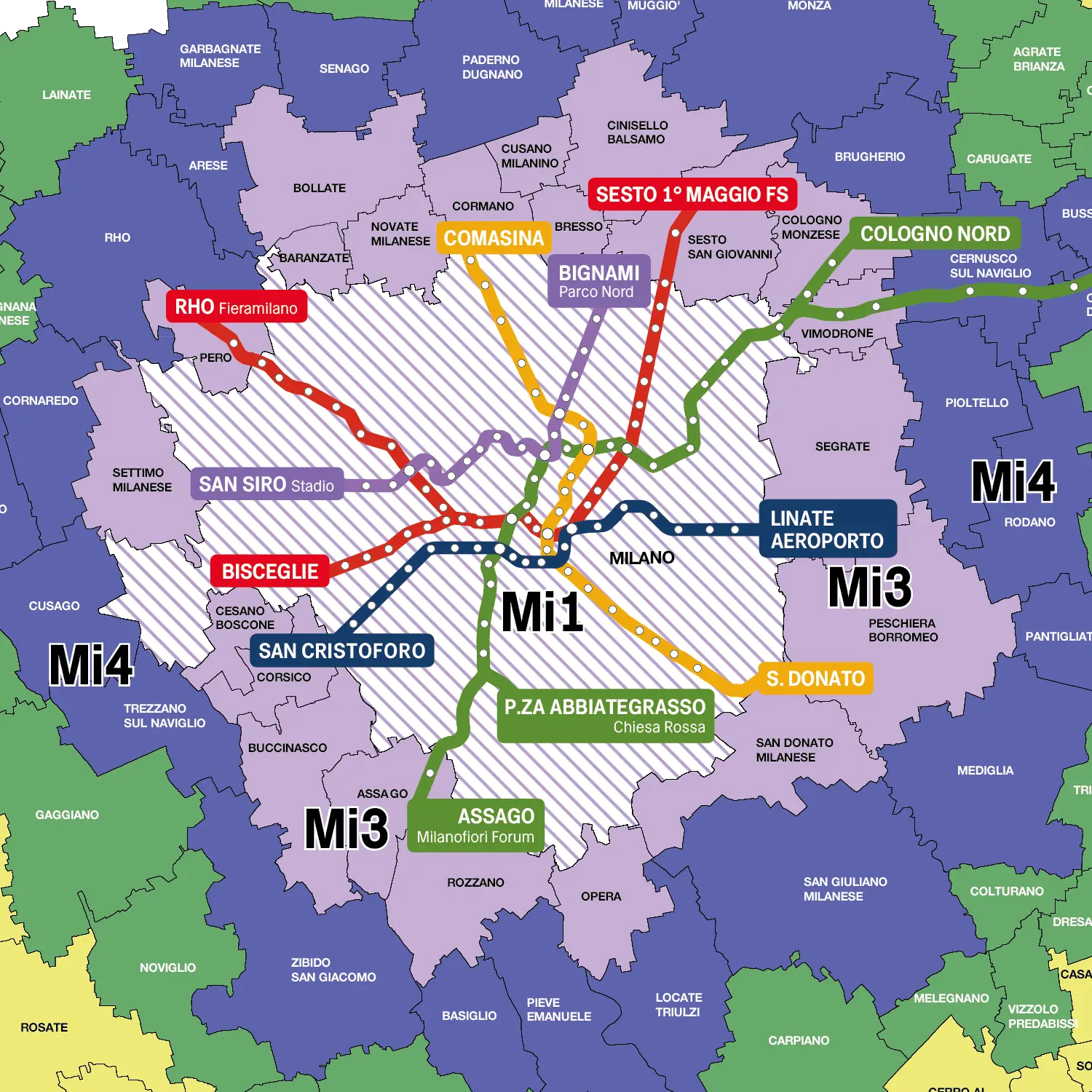
Milan’s public transport network (ATM) covers the entire city with five metro lines (M1–M5), trams, buses, and trolleybuses. Tickets are valid on all ATM lines — metro and surface — and on the M2 as far as Cascina Burrona station. The network covers the whole urban area including Linate Airport, San Siro, and Rho Fieramilano.
Individual ticket prices (Mi1–Mi3): single ticket €2.20 (90 minutes, unlimited changes); day ticket €7.60 (24 hours); 3-day ticket €15.50 (valid until end of service on the third day — not 72 hours from first use).
The simplest option for visitors not using a pass is contactless payment directly at the turnstile or on board — tap in and tap out with the same credit or debit card, smartphone, or smartwatch. The system automatically applies a daily price cap of €7.60, so heavy users never pay more than the day ticket rate. Always use the same card throughout the day.
Both the ATM app and the YesMilano app issue QR-code tickets for public transport. These work at most metro gates and on surface vehicles, but reliability is not perfect — hold the code at least 5 cm from the reader, and try a different gate if the first one doesn’t respond. This is a known limitation of all app-based tickets in Milan.
FAQ
Is the Milan city pass worth it?
For a 3-day visit that includes the Duomo, public transport and two or three museums, the YesMilano Standard Pass at €60 pays for itself quickly. The Duomo ticket alone costs €26 at the door, and three days of unlimited public transport would cost €15.50 separately — the remaining attractions are effectively included at no extra cost. The All-Inclusive at €90 adds further value if you plan to visit three or more of the Premium museums.
Do I need to book the Duomo in advance?
Yes — booking in advance is strongly recommended. Walk-up queues at the Duomo can be long, particularly in high season, and specific time slots can sell out. If the Last Supper is also on your itinerary, book that as early as possible — often weeks or months in advance.
Does the YesMilano pass include the Last Supper?
No. The Last Supper (Cenacolo Vinciano) is not included in any city pass. It must be booked separately and as early as possible — slots for groups of up to 25 people (15 minutes per visit) sell out weeks or months in advance.
Can I use the YesMilano pass on public transport?
Yes. Both the Standard and All-Inclusive passes include unlimited public transport for 3 days on all ATM lines — metro (M1–M5), trams, buses and trolleybuses — within zones Mi1–Mi3. The ticket is a QR code in the YesMilano app. Hold the code at least 5 cm from the reader; if a gate doesn’t respond, try a different turnstile.
Is the Duomo accessible for visitors with reduced mobility?
Partially. The cathedral is accessible via a ramp at the main facade portals. The rooftop terraces are accessible by lift (Ascensore Sud) to the first terrace level only, daily 10:00–17:00; visitors with disabilities can use the lift for both ascent and descent. The higher sections with the spires are reachable by staircase only. Entry is free for visitors with disabilities and one accompanying person.
How far is the public transport ticket valid?
ATM tickets are valid on all ATM lines — both metro and surface transport. On the M2 line, the ticket is valid as far as Cascina Burrona station. The network covers the whole urban area of Milan including Linate Airport, San Siro, and Rho Fieramilano.
Car Rental Italy 2026 – Insurance, Costs & Essential Tips
A rental car is the ideal way to discover Italy flexibly and independently. Whether it’s the picturesque coastal roads of…>>>
ZTL Italy 2026 – Driving Bans in Rome, Florence & Milan
If you travel through Italy by car, you will sooner or later encounter a ZTL zone (Zona a Traffico Limitato)…>>>
Tolls in Italy 2026 – Costs, Telepass & Highway Tips
Almost all Italian motorways (autostrade) require a toll. Understanding how the toll system in Italy works before you set off…>>>